How to Use LinkedIn for Sales (Social Selling Guide 2026)
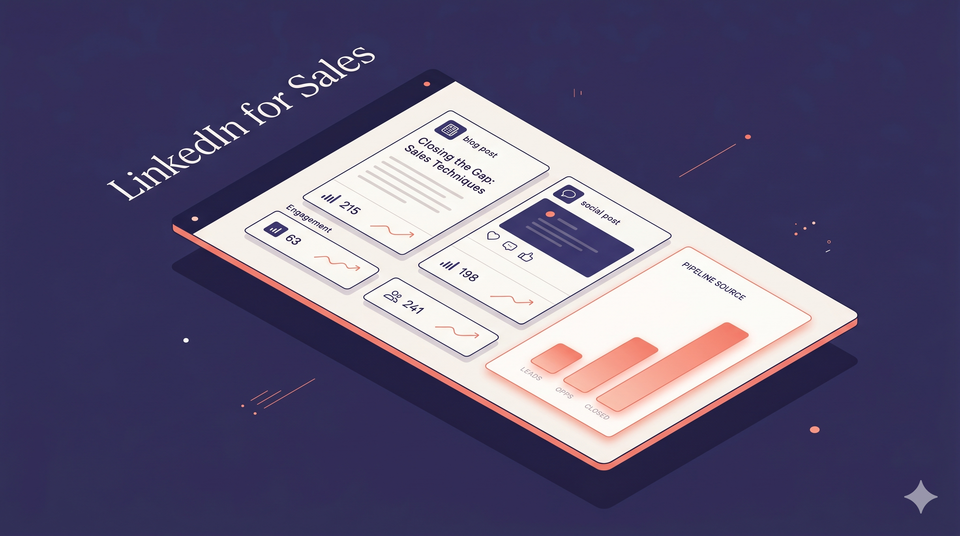
LinkedIn for sales is the practice of using your LinkedIn presence, content, and direct outreach to build relationships with prospects and generate qualified pipeline without relying on cold calls or mass email blasts. According to LinkedIn's Social Selling Index research, sales reps who actively practice social selling create 45% more opportunities than peers who don't. CannerAI helps sales professionals publish thought leadership at scale so their LinkedIn presence keeps working even when they're not.
Most salespeople know they should be on LinkedIn. Very few actually use it well. The ones who do aren't posting more than everyone else. They just post better, stay consistent, and treat LinkedIn like a relationship channel rather than a broadcast channel.
This guide covers exactly how to use LinkedIn for sales in 2026. Profile setup, content strategy, how to engage prospects without being weird about it, and how to tie any of this back to actual pipeline numbers.
Table of Contents
- Why LinkedIn Works for B2B Sales in 2026
- LinkedIn Profile Optimisation for Sales Reps
- Content Strategy for Social Selling on LinkedIn
- How to Engage Prospects Without Being Pushy
- Direct Outreach That Actually Gets Replies
- Measuring LinkedIn's Impact on Your Pipeline
- How Sales Teams Scale LinkedIn Content with AI
- FAQs
Why LinkedIn Works for B2B Sales in 2026
LinkedIn has over 1 billion members. The majority of B2B decision-makers are active on it, and most of them spend time there before they ever respond to a sales email.
That's the part worth sitting with. Your buyers are on LinkedIn reading content and forming opinions about vendors before your SDR has even found their phone number. If you're not showing up in that window, someone else is.
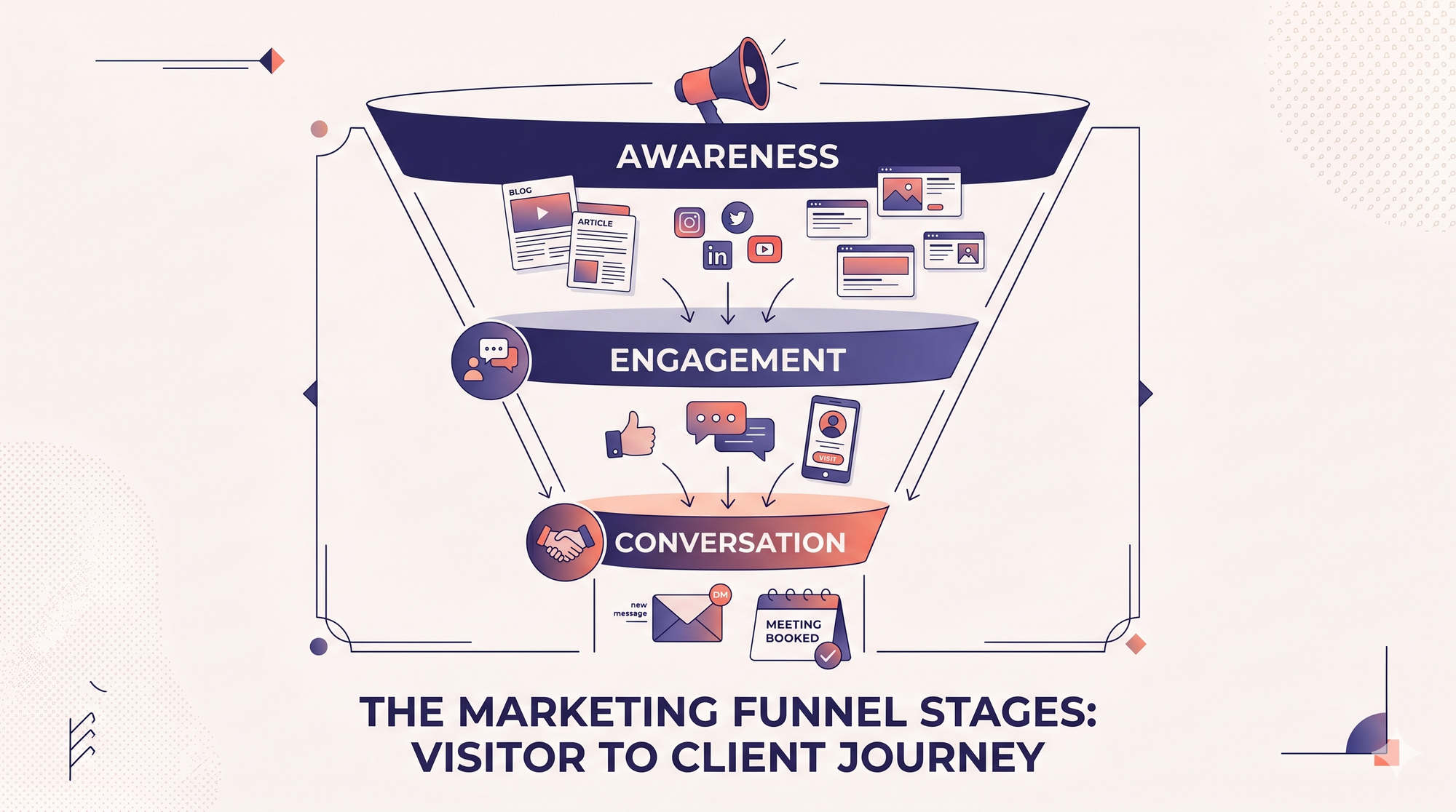
The other thing that makes LinkedIn valuable for sales right now is intent data. When a prospect likes your post, comments on something you wrote, or visits your profile after seeing your content in their feed, that's a real signal. It's warmer than any cold outreach you'll run, and it tells you who to prioritise.
This is the core logic behind social selling. You show up consistently with content that's actually useful to your buyers. They start to know who you are. When you eventually reach out or they reach out first, the conversation starts from a completely different place.
LinkedIn Profile Optimisation for Sales Reps
Your LinkedIn profile is the first place a prospect goes after they see your content or receive your outreach. Most sales reps have profiles that are built for recruiters, not buyers. That's a problem.
Here's what a profile that actually supports sales looks like:
Headline. Don't use your job title. Use a value statement. "Account Executive at Acme Corp" tells a prospect nothing useful. "I help mid-market SaaS teams cut their sales cycle by 30%" tells them exactly what you do and who you do it for. The headline is the first thing most people read and it's indexed by LinkedIn search, so it matters for findability too.
Banner image. A generic navy gradient says nothing. Your banner is prime real estate. Use it to communicate what you do, who you serve, or what you stand for. Something like "Helping B2B founders close enterprise deals" is direct and useful.
About section. Write this in first person, like a human actually wrote it. Start with who you help and what problem you solve. Include a specific outcome you've delivered for clients if you can. Close with a low-pressure call to action, something along the lines of "If you're evaluating [your solution category], feel free to message me." Short, honest, no jargon.
Featured section. Pin your three strongest content pieces, a case study, or a short client video. This section loads above the fold on mobile and is often the first thing a prospect reads after the headline. Don't waste it on a generic company brochure.
Experience. Keep it short and outcome-focused. Nobody visiting your profile from sales outreach wants to read a list of responsibilities. They want to see that you know what you're doing. Two to three lines per role, focused on results.
One thing a lot of sales reps overlook: the activity feed. When someone visits your profile, they can see your recent posts and comments right there. If your last post was six months ago, that gap speaks for itself. Consistent posting signals that you're active, informed, and worth paying attention to.
Content Strategy for Social Selling on LinkedIn
Most sales reps fix their profile, post twice, get maybe twelve likes, and quietly give up. The problem is almost never the content itself. It's the strategy behind it, or the absence of one.
Find a content lane and stay in it.
You can't be credible on every topic. Pick one narrow area that maps directly to what your buyers care about. If you sell HR software, your lane might be retention for scaling teams. If you sell cybersecurity tools, it might be practical security for non-technical founders. The more specific the lane, the faster your audience grows with the people who actually buy what you sell.
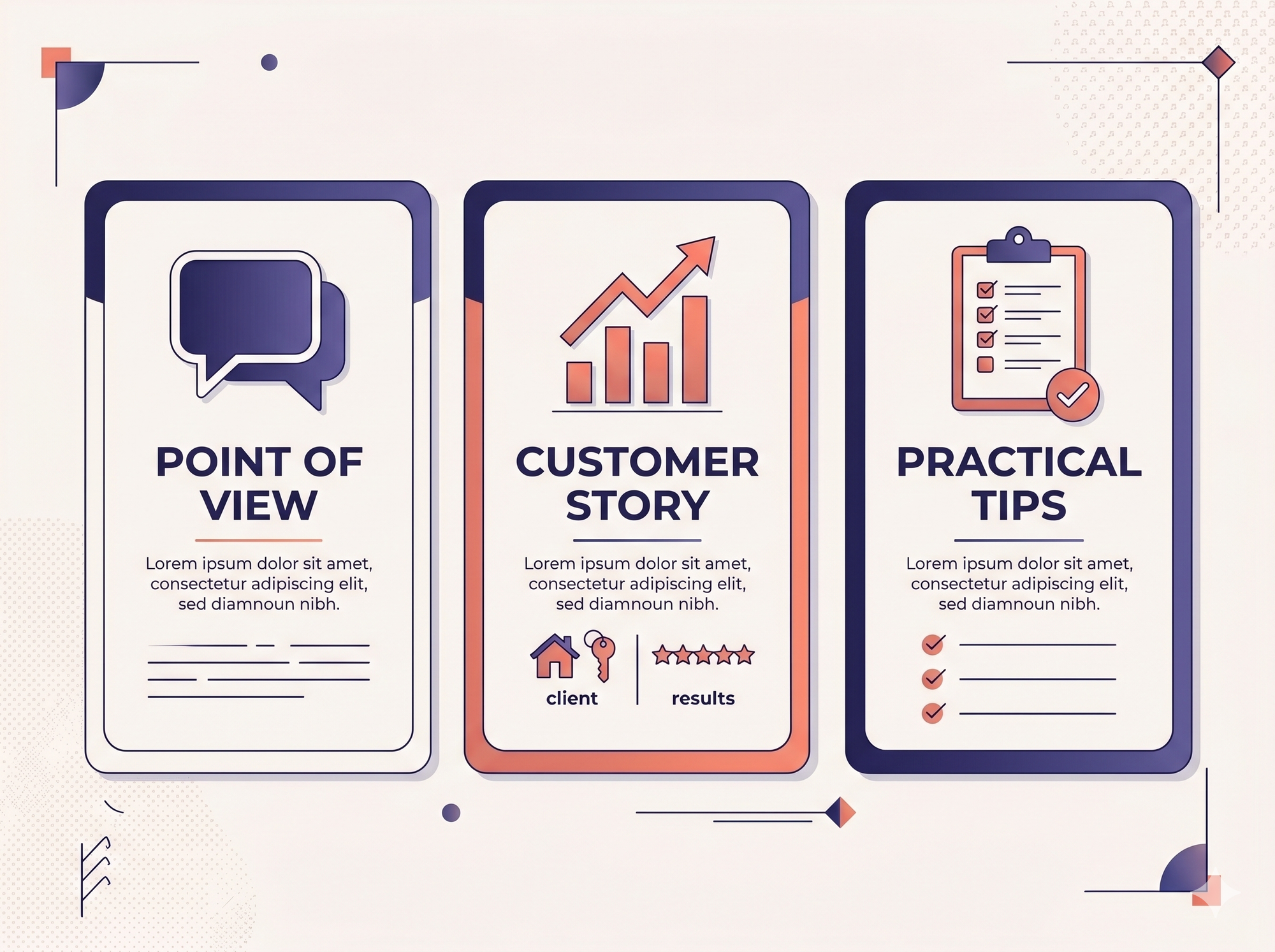
Three content types that consistently work for sales:
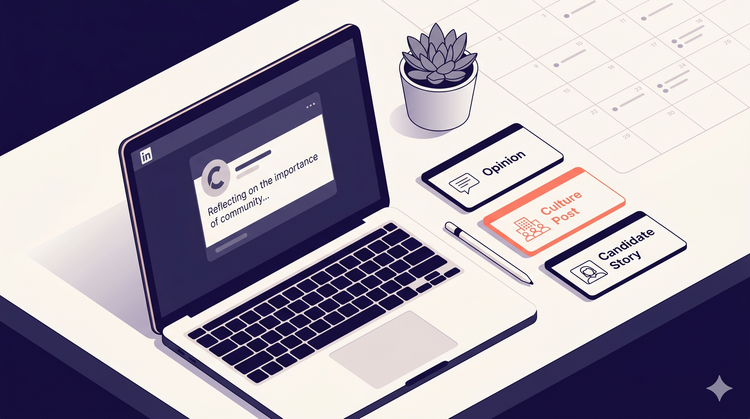
Point of view posts. Share your honest take on a trend, a misconception, or something the industry gets wrong. These get engagement because they invite people to agree or push back. Prospects who agree will comment. That's a warm signal you can act on.
Customer story posts. Without naming clients (unless they've given permission), walk through a real problem a customer brought to you and how it got resolved. Keep it specific. "A 90-person logistics company was losing two hours per rep per day to manual data entry" is a post. "A company I worked with had some operational challenges" is not. Specific details build credibility in a way that testimonial pages never do.
Practical tips posts. One short, actionable takeaway from your experience. "Three questions to ask before signing a SaaS contract" or "The one thing enterprise buyers always check before saying yes." These are highly shareable and tend to pull exactly the right audience.
Posting frequency. Three to four times a week is the realistic sweet spot. More than five and quality drops fast. Fewer than two and the algorithm stops prioritising your content. Consistency over 90 days matters more than any single post.
The commenting strategy. Spend 15 to 20 minutes a day leaving real comments on posts from prospects and influencers in your buyers' world. Not "great point!" but actual responses that contribute something. Your comment shows up on your activity feed when prospects visit your profile. It also shows up in the feeds of that person's connections. That's low-effort reach with high-quality signal attached.
How to Engage Prospects Without Being Pushy
Social selling and social spamming are not the same thing. The moment you drop a pitch into someone's DMs thirty seconds after they follow you, you've broken the one thing that makes LinkedIn work: trust.
Here's a sequence that actually moves prospects forward without making anyone feel hunted.
Step 1: Follow before you connect. If someone fits your ICP, follow their content for a week before you send a request. Engage with a post or two. By the time your request shows up in their inbox, they recognise your name.
Step 2: Personalise every connection request. The default "I'd like to connect" gets ignored constantly. Reference something real: "Saw your post on procurement bottlenecks. It matched exactly what I'm hearing from our customers. Would love to stay connected." Requests like that get accepted at meaningfully higher rates because they feel like a human wrote them.
Step 3: Don't pitch in the first message. After someone accepts, send a message that gives rather than asks. Share a relevant article, a piece of data, or a resource that connects to something they've posted about. Nothing attached. No ask. Just something useful.
Step 4: Watch for buying signals. When a prospect views your profile after seeing your content, comments on something you wrote, or reshares a post, those are signals. A simple message works well here: "Hey [Name], noticed you found the post on [topic] interesting. Happy to share more about how we've seen this play out in practice, if that's useful." Low pressure, specific, easy to say yes to.
The whole sequence takes longer than cold outreach. It also closes at better rates because by the time you have a real conversation, they already know who you are and respect your perspective.
Direct Outreach That Actually Gets Replies
Even with a strong content strategy, some prospects you just need to go after directly. The difference between outreach that gets ignored and outreach that gets responses usually comes down to one thing: does it feel earned or random?
Lead with relevance. Reference something specific. A post they wrote. A challenge common to their role. Something real about their company. "I help sales teams like yours" is noise. "Your post last week about the shift to buyer-led deals matched exactly what we're seeing across our enterprise customers" is the start of a conversation.
Keep it short. Nobody reads four-paragraph cold DMs. Three sentences is enough: what got your attention, what you do in one line, a single low-friction ask. That ask should be easy to say yes to: a 15-minute call, a quick question, a relevant resource you'd share either way.
Give something before you ask for something. Share a case study, a useful piece of research, or a template they'd genuinely find helpful. When outreach feels generous rather than extractive, people respond.
One follow-up, maybe two. If you don't hear back, one follow-up after five to seven days is fine. Two at most. After that, pull back to your content strategy and let them come to you. People who feel chased don't buy.
Content builds passive credibility so your outreach lands with people who already know your name and trust your perspective.
See how sales teams use CannerAI to post consistently at scaleMeasuring LinkedIn's Impact on Your Pipeline
Most sales reps treat LinkedIn as something they just can't measure. That assumption tends to become a self-fulfilling prophecy because it leads to quitting before the strategy has had time to work.
Here's what's worth tracking:
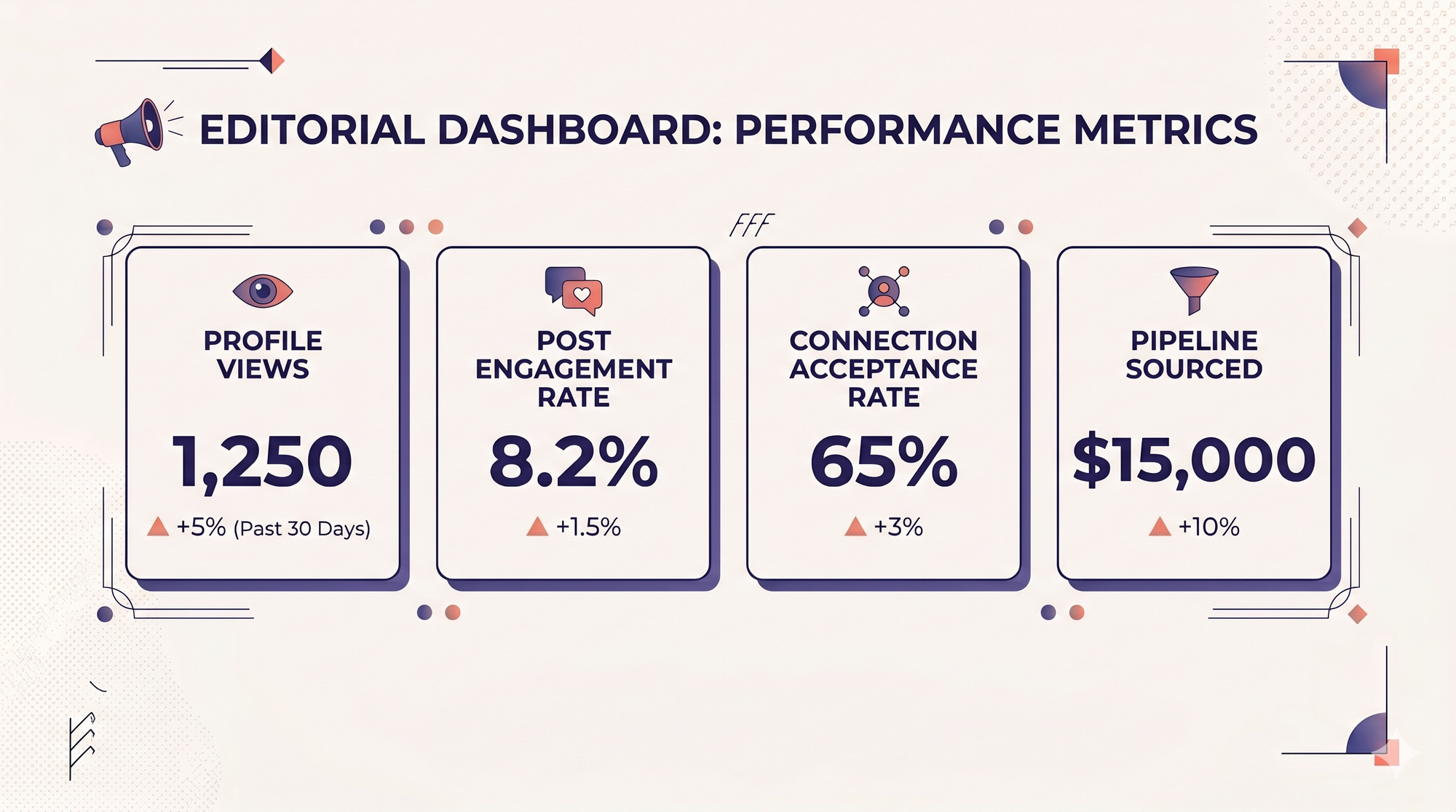
Profile views. Check these week over week. When you post consistently and comment actively, profile views go up. Each view is someone who found your content interesting enough to click through. If views are climbing but outreach reply rates are flat, the problem is in the message, not the channel.
Post engagement rate. Impressions tell you how many people saw the post. Engagement rate (reactions plus comments divided by impressions) tells you whether it resonated. A post with 500 impressions and 25 comments is worth a lot more to your pipeline than one with 5,000 impressions and four likes.
Connection request acceptance rate. If you're personalising requests and your acceptance rate is below 30%, something in your approach needs adjusting. Above 50% means you're reaching the right people the right way.
Pipeline sourced from LinkedIn. Tag opportunities in your CRM when the first touch was LinkedIn, whether that was inbound (they came to you after seeing content) or outbound (you reached out after social engagement). Even rough tracking over 90 days gives you enough data to make the case internally.
LinkedIn Social Selling Index. LinkedIn's SSI is a free score from 0 to 100 covering four areas: professional brand, finding the right people, engaging with insights, and building relationships. It's not a perfect measure, but sales reps with SSI scores above 70 tend to outperform peers with lower scores. You can check yours free at linkedin.com/sales/ssi.
How Sales Teams Scale LinkedIn Content with AI
The hardest part of LinkedIn content for sales isn't knowing what to post. Most reps know. The problem is that between calls, demos, follow-ups, and CRM hygiene, content gets pushed to the bottom every single week. And inconsistency is the one thing that kills this strategy faster than anything else.
AI tools have genuinely changed how this gets done.
CannerAI is built specifically for LinkedIn and X content creation. You give it a URL, a topic, or an insight from a recent customer call, and it researches the source, pulls out what matters, and drafts a LinkedIn post in your voice. Not a generic AI voice. Your style, your tone, based on how you actually write.
For sales teams specifically, a few features stand out:
Voice matching across reps. CannerAI's personalised memory means each rep posts in their own voice, not a copy-pasted company template that sounds like it came from marketing. Buyers notice the difference between authentic content and corporate filler. One of those gets engagement, and it's not the filler.
Connectors for YouTube-to-post automation. A lot of sales reps follow industry YouTube channels: product demos, analyst talks, customer webinars. CannerAI's Connectors feature monitors those channels and auto-generates LinkedIn post drafts when new videos go up. Instead of watching a 45-minute video and then figuring out how to turn it into a post, a rep gets a ready-to-review draft in a few minutes.
Context Vault for idea storage. Customer calls surface great content material: objections, questions, surprising insights. The Context Vault is where you save those raw notes so they don't disappear into a forgotten Notion doc. When you're ready to post, the material is there waiting.
Direct publishing and scheduling. Drafts go straight to LinkedIn from inside CannerAI. No copy-pasting, no reformatting, no tab-switching.
Sales teams on the Creator plan get 120-plus post templates, unlimited scheduling, and 30 YouTube-to-post automations per month. There's a 15-day free trial with no credit card required during the trial period.
The reps who win on LinkedIn aren't posting the most content. They're the ones who show up consistently with posts worth reading, and they've found a way to do that without it eating three hours out of every week.
FAQs
What is social selling on LinkedIn?
Social selling on LinkedIn means using your profile, content, and engagement to build relationships with prospects before you ask for anything. Rather than leading with cold outreach, you build credibility first through consistent, useful content. By the time you do reach out, prospects already know who you are. LinkedIn's Social Selling Index is a free tool that scores how well you're doing this across four dimensions.
How do I use LinkedIn for lead generation without spamming people?
Post content your prospects find genuinely useful. Engage with their posts in a real way. When you reach out directly, reference something specific about them rather than leading with your pitch. The goal is to feel like a trusted colleague, not a vendor chasing a quota. Skip the pitch in the first message entirely. Let the relationship warm up first.
How often should a sales rep post on LinkedIn?
Three to four times a week is the right range for most reps. That keeps you visible without sacrificing quality. Consistency across 90-plus days matters more than volume in any single week. One post a week for three months will do more for your pipeline than ten posts in two weeks followed by six weeks of silence.
What kind of content works best for sales on LinkedIn?
Point of view posts, customer story posts (without naming clients), and practical tips posts tend to perform best. The common thread is specificity. Posts that share a real perspective or a concrete outcome get engagement. Posts that share generic industry news don't. Buyers want to see that you actually understand their world, not just that you have a LinkedIn account.
How do I measure ROI from LinkedIn for sales?
Track profile views week over week, post engagement rate, connection request acceptance rate, and pipeline tagged as LinkedIn-sourced in your CRM. LinkedIn's Social Selling Index score at linkedin.com/sales/ssi is a useful directional signal. Give yourself at least 90 days before drawing conclusions. The returns from LinkedIn content are cumulative, not immediate.
Can AI tools help with LinkedIn sales content?
Yes, and for sales teams especially, they solve the consistency problem more than anything else. Tools like CannerAI handle the research-to-draft workflow so reps spend time reviewing and personalising rather than starting from scratch. The key thing to look for is a tool that outputs in your voice, not a generic AI voice that buyers can spot immediately.
What is the LinkedIn Social Selling Index and does it matter?
The SSI is a free score from 0 to 100 that LinkedIn provides to every user. It measures four things: how strong your professional brand is, how well you find the right people, how well you engage with relevant content, and how well you build relationships. Research from LinkedIn shows that higher SSI scores correlate with more deals closed and shorter sales cycles. Check yours at linkedin.com/sales/ssi.
Member discussion